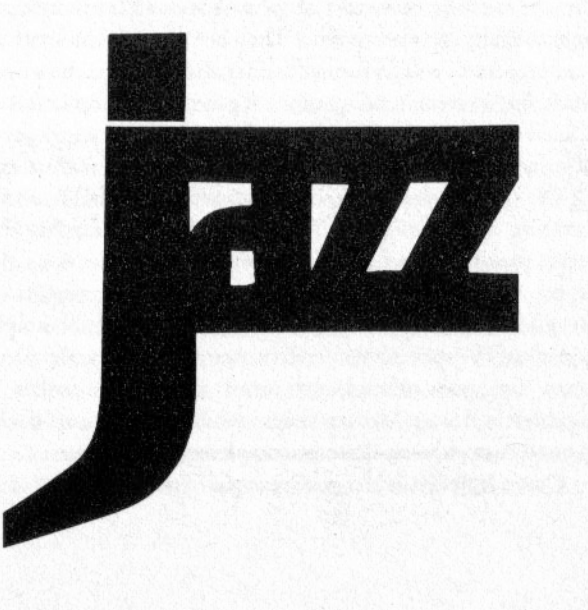
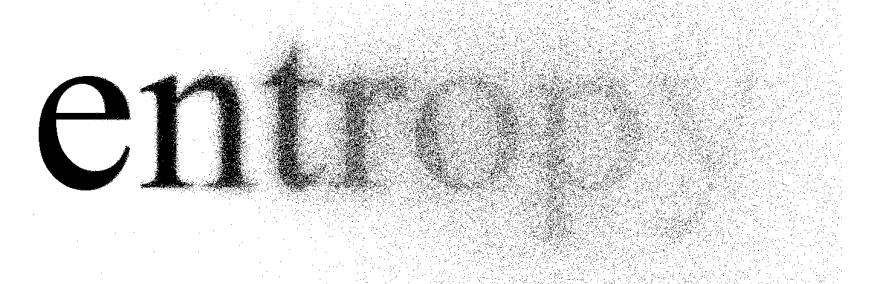
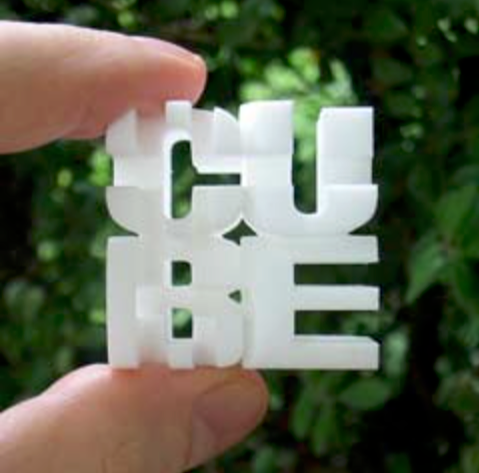
It would prove useful to consolidate the concepts of autological words, Engglyphs, autologlyphs, etc. under the broader umbrella of Linguistic Autology.
Linguistic Autology—the capacity of a linguistic expression to embody, resemble, or enact a property associated with itself.
This can encompass one of many subcategories, including semantic, sonic, performative, and formal autology. Rather than treating Engglyphs and autologlyphs as separate phenomena, they can be denoted as forms of linguistic autology.
The following breakdown is the author’s suggestion:
Semantic Autology — the traditional or most common use of autological words, when the meaning of the word applies to itself; i.e. 'common', 'polysyllabic', 'four'.
Sonic Autology — not to be confused with onomatopoeia: the word’s sound or phonetic expression is connected to its definition; i.e., mellifluous, cacophonous. In this case, the word does not depict a sound as an onomatopoeia would, but instead demonstrates a sonic quality corresponding to its meaning.
Performative / Practical Autology — how a word is communicated or experienced and its connection to its meaning; i.e. the word lazily being pronounced lazily.
Formal Autology — the visual or material form of a word, letter, phrase, or image relates to what it represents; Engglyphs, Autologlyphs (as described by Segerman), Autolograms (denoted by the author), and Autolographs (denoted by the author).
Note: These categorizations are not mutually exclusive.
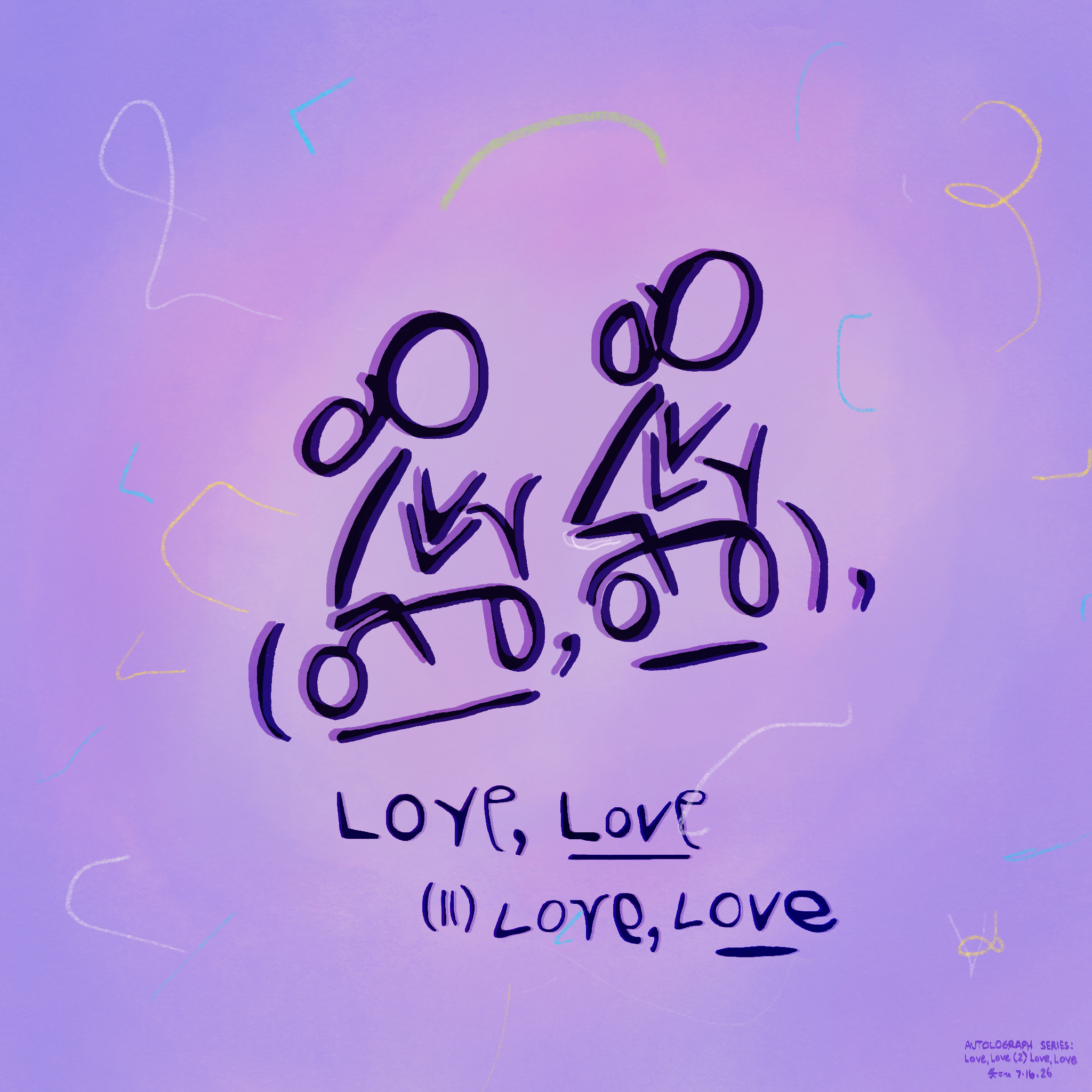
Autolograms—a subset of formal autology where an image is constructed with the letterforms in a word or phrase. They can be formally heterological, as in a bike composed of the letters love:
Autolographs—composed only using the letterforms/graphemes of a word or phrase, and possessing semantic or formal autology. Often animated or dynamic:
Specifically for autolographs, the letters are essential, and the image is dependent on each letter and its shape. There are existing examples of related typographic practices, such as Dan Fleming’s Word Animals, in which animals are constructed from the letters in their names.

The autolograph, has a tighter constraint; the lines and strokes of a letter must be a functional component of the image. It is not enough for a letter to simply occupy the area of the object it helps construct (similar to a tangram puzzle) ; by contrast, each letter's typographic anatomy should be exploited in the construction of the image.